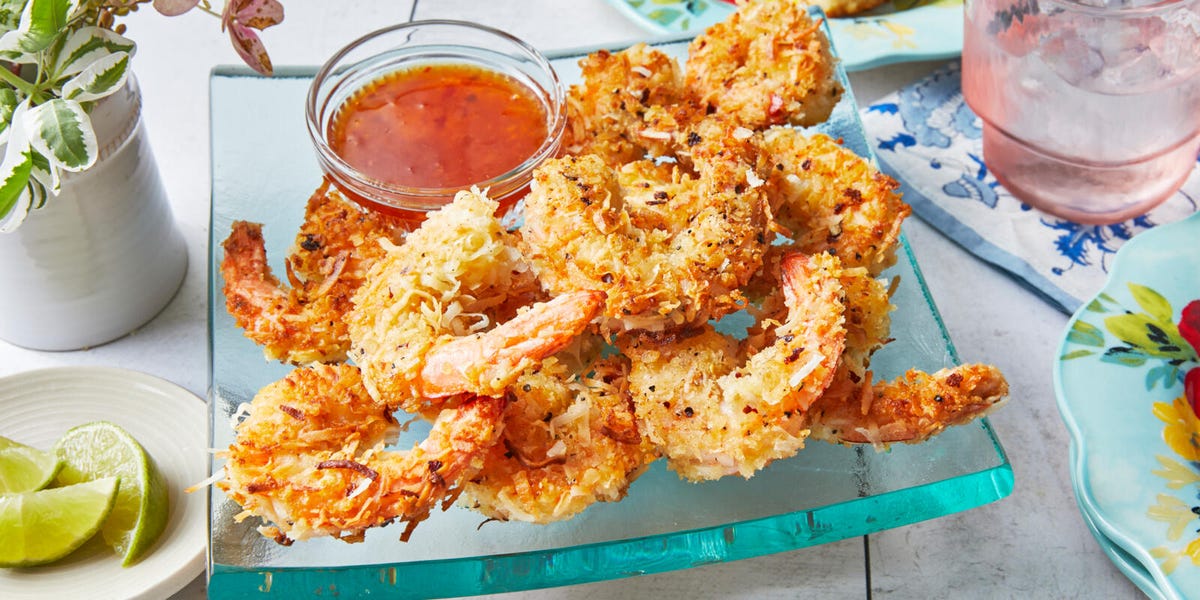
The Allure of Perfectly Crunchy Coconut Shrimp
Imagine this: a golden-brown, irresistibly crispy exterior giving way to a succulent, perfectly cooked jumbo shrimp. Each bite delivers a burst of sweet, aromatic coconut balanced by the tender chewiness of the shrimp. This, my friends, is the dream of perfect coconut shrimp – a culinary delight so widespread, it graces menus from upscale seafood restaurants to casual tiki bars and even unexpected pubs. Its true origin remains a delightful mystery, possibly Caribbean, Polynesian, or a brilliant purely American invention, but its universal appeal is undeniable.
Conceptually simple – replacing traditional breadcrumbs with dried, shredded coconut and deep frying – achieving that *perfect* balance of crunch, aroma, and juicy tenderness can be elusive. Many have attempted, but few truly master the art. If you've ever bitten into a rubbery shrimp encased in a flimsy coating, you know the disappointment. But fear not! We're here to unlock the secrets to crafting the ultimate jumbo coconut shrimp, complete with crucial insights into shrimp selection and expert breading techniques that promise an explosion of flavor and texture with every bite.
The Foundation of Flavor: Why Jumbo Shrimp Are Non-Negotiable for Coconut Shrimp
The first, and arguably most critical, secret to achieving perfectly juicy coconut shrimp lies not in the breading itself, but in your choice of shrimp. To avoid that dreaded rubbery texture and ensure an ideal breading-to-shrimp ratio, size truly matters. You need large shrimp, specifically those labeled as "jumbo" or, more precisely, those that are 12/15 count per pound. This means there are 12 to 15 individual shrimp in one pound.
Why is this specific size so important?
- Ideal Breading Ratio: Smaller shrimp will be overwhelmed by the coconut coating, leading to an imbalance where the breading dominates the delicate shrimp flavor. Jumbo shrimp provide a robust canvas for the crust.
- Perfect Cooking Time: Larger shrimp can withstand the frying process long enough for the thick coconut crust to become golden and crispy without overcooking the interior. Smaller shrimp cook too quickly, often turning rubbery while you're still waiting for the crust to crisp up.
- Moisture Retention: The increased mass of jumbo shrimp helps them retain their natural moisture, resulting in a supremely tender and juicy center even after being deep-fried.
While labels like "jumbo" or "colossal" are often used, remember that shrimp sizing isn't regulated. Always check the "count-per-pound" number on the packaging to ensure you're getting the right size for your perfect coconut shrimp. A good quality, fresh or properly frozen and thawed shrimp is the starting point for a truly spectacular dish.
Unlocking Ultimate Crunch: Secret Breading Techniques for Ultimate Crispness
Once you have your magnificent jumbo shrimp, the next step is to master the breading – the crunchy, aromatic shield that makes coconut shrimp so irresistible. While the standard flour-egg-coconut dredge works, a few insider tricks can elevate your crust from good to utterly spectacular.
The Classic Dredge, Elevated:
Start by preparing three shallow dishes:
- Flour Mixture: Combine all-purpose flour with a pinch of salt, pepper, and a touch of garlic powder for an extra layer of savory flavor. This initial coating creates a dry surface for the egg wash to adhere to.
- Enhanced Egg Wash: Here's a crucial tip: beat your eggs and add a couple of tablespoons of flour to the mixture. This creates a slightly thicker, stickier base for the coconut, resulting in a more substantial and ultimately crisper coating. Some recipes even advocate for a beer batter here, using egg, beer, all-purpose flour, and a touch of baking powder. The carbonation in the beer helps create an incredibly light and airy crispness.
- Coconut & Panko Blend: This is where the magic happens for maximum crunch. Don't just use shredded coconut. Mix your crispy coconut shrimp coating with a generous amount of panko-style breadcrumbs. Panko, with its larger, flakier texture, adds an incredible, almost shatteringly crisp dimension that regular breadcrumbs simply can't achieve. Always opt for unsweetened coconut flakes to control the overall sweetness of your dish and let the shrimp shine.
The Breading Process:
Dredge each seasoned shrimp (remember to salt and pepper your shrimp before breading!) first in the flour, shaking off any excess. Then, dip it thoroughly in the enhanced egg wash, allowing any extra to drip off. Finally, roll it generously in the coconut and panko mixture, pressing gently to ensure a thick, even coating. Before you take your shrimp for a plunge into the fryer, make sure to clean off the tails. This provides a convenient, mess-free handle for dipping and devouring!
For best results, place the coated shrimp on a parchment-lined baking sheet and refrigerate for at least 15-30 minutes. This helps the breading adhere firmly, preventing it from falling off during cooking.
Beyond the Fryer: Cooking Methods, Oil Choices & Dipping Sauce Artistry
While deep frying typically yields the crispiest results, coconut shrimp is incredibly versatile and can be prepared using various methods. For a detailed guide on different cooking techniques, including oven baking and air frying, check out our comprehensive article: Crispy Coconut Shrimp: Deep Fry, Air Fry, or Oven Bake?
Choosing Your Oil:
If you opt for deep frying, the right oil is paramount. Always use a cooking oil with a high smoke point, such as peanut oil, vegetable oil, or canola oil. These oils can reach the necessary high temperatures (around 350-375°F or 175-190°C) without burning, ensuring your coconut shrimp cooks evenly and crisps beautifully without absorbing too much oil.
The Perfect Partner: Dipping Sauces:
No plate of coconut shrimp is complete without a tantalizing dipping sauce. While a classic sweet chili sauce, often based on a Thai nam prik pao (made with dried chilis, palm or brown sugar, vinegar, garlic, and fish sauce), is a popular choice, don't limit your horizons. The bright, tangy notes of a good dipping sauce cut through the richness of the fried shrimp and coconut, creating a harmonious flavor profile.
Other fantastic options include:
- Sweet & Tangy: A vibrant mango salsa, with its fresh fruit, red onion, and cilantro, offers a refreshing contrast.
- Creamy & Zesty: A homemade tartar sauce or a blend of orange marmalade, mustard, and a touch of horseradish offers a delightful sweet and savory kick.
- Fruity & Bright: Our Orange Dipping Sauce for Coconut Shrimp provides a fantastic citrusy zest.
Experiment with different sauces to find your personal favorite – the right accompaniment can elevate your coconut shrimp from delicious to unforgettable.
Crafting Your Perfect Plate: Customization, Prep & Storage
Creating perfect coconut shrimp is an art, and there's always room for personal touches. Beyond the core techniques, consider these tips:
- Seasoning Savvy: Don't just season the breading; lightly season the shrimp itself with salt and pepper before dredging. This ensures flavor penetrates to the core.
- Prep Ahead: For a stress-free cooking experience, you can peel and devein your shrimp ahead of time. Many seafood counters offer this service, saving you precious minutes. Once breaded, the shrimp can be refrigerated for a short period before frying.
- Serving Suggestions: While undeniably a superb appetizer, coconut shrimp can also be the star of a meal. Pair it with light, fresh sides like a crisp green salad, jasmine rice, or grilled pineapple for a complete and satisfying experience.
Storing Leftovers:
Should you miraculously have any leftovers (a rare occurrence with perfectly made coconut shrimp!), they can be stored in a shallow, airtight container in the refrigerator for up to three days. For longer storage, freeze the cooked shrimp for up to three months. To reheat, avoid the microwave if possible, as it can make the crust soggy. Instead, warm them gently in an oven or air fryer until crispy and heated through, ensuring they regain some of their initial crunch.
Conclusion
From selecting the ideal jumbo shrimp to mastering multi-layered breading techniques and pairing with the perfect dipping sauce, crafting exquisite coconut shrimp is an achievable culinary goal. By focusing on these key steps – specifically the 12/15 count shrimp and incorporating panko with unsweetened coconut and flour into your egg wash – you'll consistently achieve a dish that boasts a thick, aromatic, and incredibly crispy crust embracing a juicy, tender interior. So, gather your ingredients, follow these expert tips, and prepare to delight your taste buds with truly unforgettable, restaurant-quality jumbo coconut shrimp right in your own kitchen.
